



How Buick is Going All-Electric by 2030
For many years, Buick has been known for comfort, quiet performance, and a refined driving experience. Those qualities are still central to the brand, but Buick is now entering a new phase. The company has committed to offering a fully electric lineup by 2030, and that decision is guiding how it develops vehicles, designs technology, and positions itself in the market.
This shift is not a simple product update. It represents a long-term strategy that is being implemented step by step. Understanding how Buick reached this point and how it is executing the transition helps explain what drivers can expect in the coming years.
Why Buick Chose to Move Toward a Fully Electric Lineup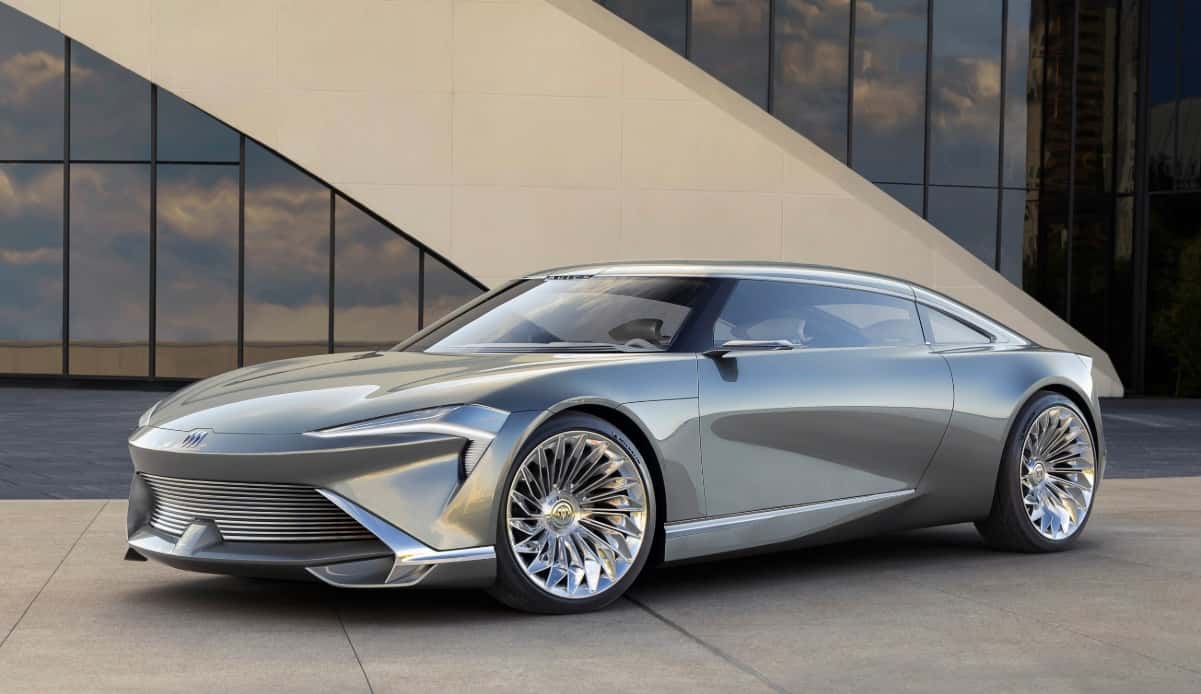
Buick’s decision is closely tied to the broader direction of General Motors. GM has made a company-wide commitment to reduce emissions and expand its electric vehicle portfolio. As part of that strategy, Buick has been positioned as a brand that can fully embrace electric technology.
There are several reasons for this approach. Government regulations are placing more emphasis on efficiency and emissions standards. Consumer interest in electric vehicles continues to grow, especially among buyers who want lower operating costs and modern technology. At the same time, Buick has an opportunity to redefine how it is perceived in the United States by focusing on innovation and design.
When Buick announced its goal of becoming an all-electric brand by 2030, it also introduced a new visual identity and confirmed that future vehicles would carry the Electra name. These changes were intended to communicate that the transition would affect every part of the brand, not just the powertrain.
How Buick Is Building Its Electric Vehicles
A key part of Buick’s plan is the use of GM’s Ultium battery platform. This architecture has been designed specifically for electric vehicles, which allows engineers to optimize performance, range, and interior space.
Because these vehicles are built as electric models from the beginning, they do not need to accommodate a traditional engine or transmission. This allows for a more open cabin layout and improved efficiency. It also supports longer driving ranges and faster charging capabilities, which are important factors for drivers who are considering an electric vehicle for the first time.
This approach also allows Buick to maintain its focus on comfort. Electric powertrains provide smooth acceleration and reduced noise, which align with the driving experience that Buick customers expect.
The Role of Global Development in Buick’s Strategy
One of the most notable aspects of Buick’s transition is that much of its early electric development has taken place outside of the United States. Buick has a strong presence in China, and that market has adopted electric vehicles at a faster pace.
As a result, Buick has introduced several electric models in China before bringing them to North America. Vehicles such as the Electra E5 and E4 are already in production and are providing valuable data on performance, reliability, and customer preferences.
This global approach allows Buick to refine its vehicles before launching them in the United States. It also helps the company respond to changing market conditions and improve its technology over time. For drivers in the United States, this means that the electric models that arrive in the future will benefit from real-world testing and development.
Challenges That Have Affected the Timeline
Although Buick remains committed to its 2030 goal, the process has not been without challenges. Some of the early plans to introduce electric models in the United States have been affected by external factors.
Tariffs on imported vehicles have made it more difficult to bring certain models from overseas into the U.S. market. Supply chain issues and changes in demand have also influenced how quickly new vehicles can be introduced. In addition, the pace of electric vehicle adoption has been steady but not as rapid as some initial projections suggested.
These factors have led Buick and GM to take a more measured approach. The company continues to invest in electric technology while maintaining its current lineup to meet the needs of today’s buyers. This allows Buick to move forward without creating gaps in its product offerings.
Changes in Design and Technology
As Buick develops its electric lineup, it is also updating its design language. Recent concept vehicles have shown a shift toward more modern styling, with cleaner lines and a focus on aerodynamics. Interiors are being designed with an emphasis on digital displays and connected features.
These changes reflect the expectations of current buyers, who are looking for vehicles that offer both functionality and advanced technology. The use of the Electra name across future models helps establish a consistent identity for Buick’s electric vehicles and distinguishes them from earlier products.
Looking Ahead to Buick’s Electric Future
Buick’s plan to go all-electric by 2030 reflects a broader shift in the automotive industry. The company is working to balance innovation with practicality as it develops new vehicles and responds to changing market conditions.
The transition will continue to evolve over the next several years. New models will be introduced, technology will improve, and infrastructure will expand. Throughout this process, Buick is aiming to maintain the qualities that have defined the brand while adapting to new expectations.
Visit #1 Cochran Buick GMC Youngstown to Learn More
If you are interested in Buick’s future or want to explore your options today, the team at #1 Cochran Buick GMC Youngstown can help.
You can visit the dealership to explore current Buick models, ask questions about upcoming electric vehicles, and learn what ownership may look like as the transition continues. The staff can provide guidance based on your driving habits and help you decide when it makes sense to consider an electric vehicle.
Visit #1 Cochran Buick GMC Youngstown today to take the next step and stay informed about Buick’s move toward an all-electric lineup.
0 comment(s) so far on How Buick is Going All-Electric by 2030